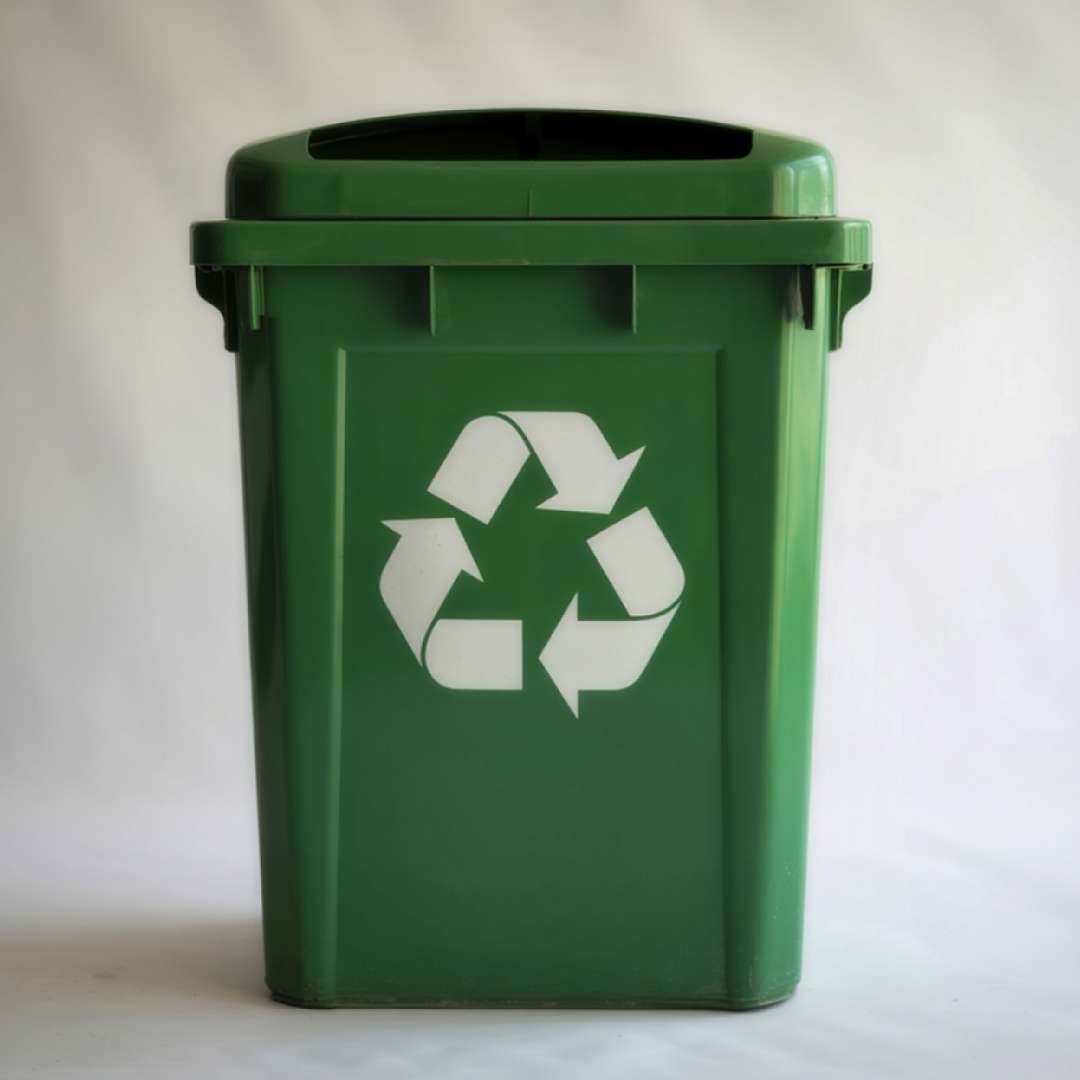
March 18 is International Recycling Day, a global initiative that spotlights the essential role recycling plays in protecting our planet and building a more sustainable future. The day urges individuals, communities, businesses, and governments to rethink how waste is managed and to recognize that many discarded materials can be reused, repurposed, or recycled rather than sent to landfills.
International Recycling Day raises awareness around one of the most impactful strategies for protecting natural resources and lowering environmental impact by focusing on recycling as a practical solution.
What Is International Recycling Day?
The United Nations Educational, Scientific, and Cultural Organization (UNESCO) designated March 18 as International Recycling Day to promote responsible resource management and sustainable waste practices.
The day’s goal is to highlight that waste should be viewed as a resource. Recycling keeps materials in use, supporting long-term environmental and economic sustainability.
International Recycling Day focuses on several key objectives:
- Protecting natural resources by lessening the need for raw material extraction
- Promoting the circular economy, where materials are reused and repurposed
- Encouraging businesses to reduce waste and improve diversion rates
- Educating communities about proper waste sorting and recycling practices
These efforts reduce reliance on landfills and promote more sustainable production and consumption.
Why Recycling Matters
Recycling is one of the most effective tools we have to reduce environmental impact. Billions of tons of materials are discarded worldwide annually, placing enormous pressure on landfills and natural resources. Recycling helps address this challenge by returning valuable materials to the production cycle.
Effective recycling helps to:
- Protect natural resources by lowering the need for raw material extraction
- Reduce landfill waste and extend landfill lifespan
- Lower greenhouse gas emissions by decreasing energy use in manufacturing
- Support the circular economy, where materials are reused, repurposed, and kept in circulation for as long as possible
Viewing waste as a resource is essential for creating an increasingly sustainable and efficient waste system.
The Role of Businesses in the Circular Economy
Businesses are essential to advancing recycling and supporting the circular economy. By implementing effective waste management and improving material separation, organizations can significantly increase landfill diversion.
Practical sustainability strategies include:
- Dedicated recycling bins and clearly defined material streams
- Aligning service frequency with actual waste generation
- Educating employees and customers on proper sorting practices
- Monitoring material stream data to identify opportunities for diversion improvements
Recycling becomes both an environmental initiative and an operational improvement when waste programs are managed strategically in Canada.
Waste Logic’s Commitment to Waste Diversion
At Waste Logic, we drive waste diversion through data-driven insights and effective program design. We partner with organizations to assess current waste systems, identify inefficiencies, and implement practical improvements that increase recycling and reduce landfill dependence.
Our team focuses on optimizing material streams, aligning service levels with actual waste generation, and providing clear insights into program performance. These strategies help businesses make informed decisions that support sustainability and operational efficiency.
By helping organizations manage waste strategically, we drive progress toward stronger diversion outcomes and more sustainable operations.
Sustainability and Operational Efficiency Go Hand in Hand
Environmental responsibility and operational discipline can work together. As Waste Logic’s CEO, Rob Duthie, explains:
“As a Canadian-owned company, we also believe environmental responsibility and economic responsibility go hand in hand. Strong diversion outcomes should drive stronger margins instead of higher costs. When done properly, sustainability and operational discipline reinforce each other.”
Well-designed waste programs reduce environmental impact, improve service efficiency, and enhance long-term program performance.
Looking Ahead: Building a More Sustainable Waste System
International Recycling Day reminds us that meaningful environmental progress depends on collaboration among communities, businesses, and governments.
Enhancing recycling infrastructure, educating communities, and adopting smarter waste management strategies will help keep materials in circulation longer and significantly reduce landfill waste.
Every step toward better recycling helps build a more sustainable and resource-efficient world.
Ready to Improve Your Waste Diversion Performance?
If your organization aims to reduce landfill waste, improve recycling performance, and strengthen ESG outcomes, Waste Logic can help. Our waste program assessments and optimization strategies identify inefficiencies, increase diversion rates, and align waste services with operational needs.
Contact Waste Logic today to learn how a data-driven material management program can deliver environmental and operational benefits.